
Weight Management and Obesity in Pets: Why Maintaining a Healthy Weight Matters

We all love treating our pets. Whether it's an extra biscuit, a scrap from the dinner table or a few too many treats during training, it's easy to show our love through food.
Unfortunately, those little extras can add up.
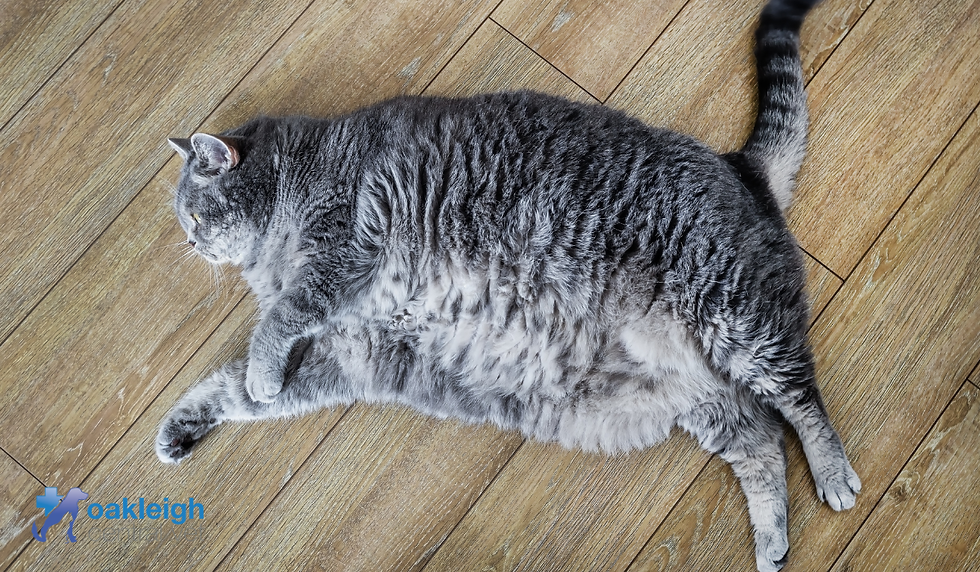
Pet obesity is one of the most common health problems seen by veterinarians, with more than 40% of Australian dogs and cats estimated to be overweight or obese. While a few extra kilos may not seem like a big deal, carrying excess weight can have a significant impact on your pet's health, comfort and quality of life.
Why Is Pet Obesity a Concern?
Extra weight puts additional strain on your pet's body and increases their risk of developing a range of health problems, including:
Arthritis and joint pain
Diabetes
Heart and respiratory disease
High blood pressure
Urinary problems
Reduced mobility
Increased risk during anaesthesia and surgery
Shorter life expectancy
Studies have shown that maintaining a healthy body weight may even help pets live longer and enjoy a better quality of life.
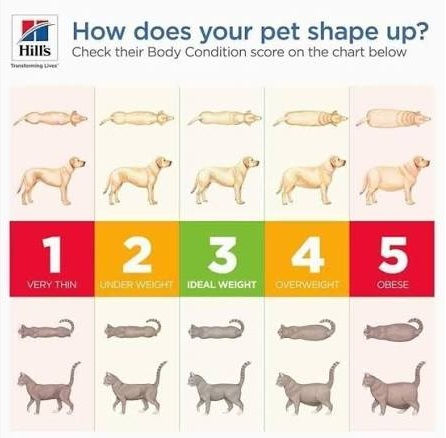
How Can You Tell if Your Pet Is Overweight?
Many pet owners don't realise their pet has gained weight because it often happens gradually.
Some signs your pet may be carrying extra weight include:
You can't easily feel their ribs beneath a thin layer of fat.
Their waist is difficult to see when viewed from above.
Their tummy doesn't tuck up when viewed from the side.
They tire more quickly during walks or play.
They're less active or reluctant to exercise.
If you're unsure, our veterinary team can assess your pet's Body Condition Score and let you know if they're at their ideal weight.
Why Do Pets Gain Weight?
Weight gain happens when pets consume more calories than they burn, but there are many reasons this can occur.
Common causes include:
Too many treats or table scraps
Feeding portions that are too large
Lack of exercise
Ageing and reduced activity
Certain medical conditions or medications
Even healthy treats can contribute to weight gain if given too often.
Helping Your Pet Lose Weight Safely
Crash diets are never the answer. Just as with people, pets need to lose weight gradually and under veterinary guidance.
A successful weight management plan usually includes:
Measuring Meals
Instead of estimating portions, use a measuring cup or kitchen scales to feed the correct amount each day.
Limiting Treats
Treats should make up no more than 10% of your pet's daily calorie intake. Try replacing some food rewards with playtime, praise or affection.
Increasing Activity
Regular exercise helps burn calories while improving muscle strength, joint health and mental wellbeing.
For dogs, this may include daily walks, games of fetch or swimming.
For cats, interactive toys, food puzzles and climbing towers can encourage more movement indoors.
Feeding the Right Diet
Not all weight loss diets are the same.
At our clinic, we often recommend Hill's Science Diet and Hill's Prescription Diet weight management formulas. These diets are scientifically formulated to help pets lose weight while still feeling satisfied and receiving all the nutrients they need.
Unlike simply feeding less of a regular food, specially formulated weight management diets are designed to maintain muscle mass while reducing body fat, making weight loss healthier and more sustainable.

Small Changes Make a Big Difference
Losing even a small amount of excess weight can improve your pet's comfort, mobility and overall health.
Many pet owners notice their pets become more energetic, playful and willing to exercise once they reach a healthier weight.
We're Here to Help
If you're concerned about your pet's weight, don't worry, you're not alone. Weight management is one of the most common conversations we have with pet parents, and we're here to support you every step of the way.
Our team can assess your pet's ideal weight, recommend an appropriate diet, calculate daily feeding amounts and develop a personalised weight management plan that works for both you and your pet.
Helping your pet maintain a healthy weight is one of the greatest gifts you can give them. It can improve their quality of life today and help them enjoy many happy, active years by your side.


Comments