
Why Pet Dental Care Matters: The Hidden Dangers in Your Pet's Mouth
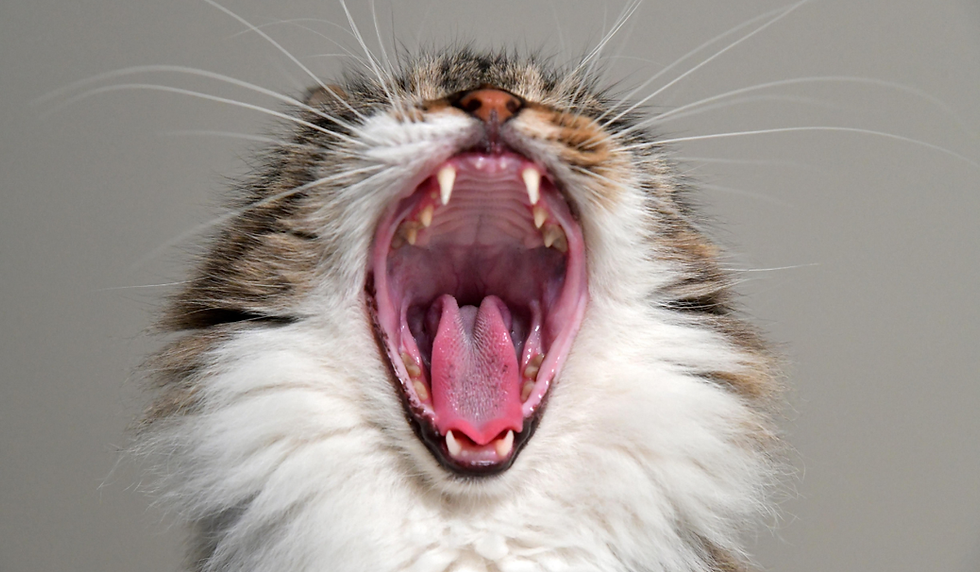
When you think about your pet's health, you probably think about nutrition, exercise, vaccinations and parasite prevention. But there's one area that's often overlooked until there's a problem: their teeth.
Dental disease is one of the most common health conditions we see in dogs and cats. In fact, most pets over the age of three show signs of dental disease, often without their owners realising it.
The surprising part? Bad breath isn't the biggest concern.
Bad Breath Isn't Normal
Many people assume "dog breath" or "cat breath" is just part of owning a pet. In reality, persistent bad breath is usually a sign that bacteria are building up in the mouth.
Plaque begins forming on the teeth every day. If it isn't removed, it hardens into tartar, creating the perfect environment for bacteria to thrive. Over time, this leads to inflamed gums, infection and painful dental disease.
The Hidden Pain of Dental Disease
Pets are remarkably good at hiding pain. Even with significant dental disease, many continue eating and acting normally because instinct tells them not to show weakness.
Some subtle signs your pet may have dental pain include:
Bad breath
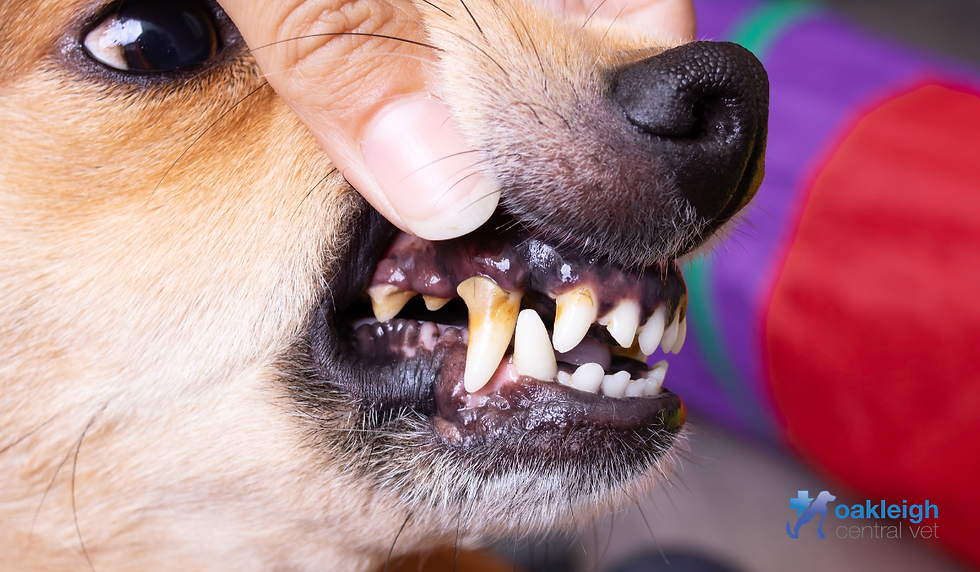
Yellow or brown tartar on the teeth
Red, swollen or bleeding gums
Dropping food while eating
Chewing on one side of the mouth
Reluctance to eat hard food or treats
Pawing at the mouth
Excessive drooling
Reduced interest in playing with toys
Becoming quieter or less interactive
Many owners are surprised by how much brighter, happier and more energetic their pet seems after receiving dental treatment.
It's More Than Just Teeth
Dental disease doesn't stay confined to the mouth.
As bacteria multiply beneath the gum line, they can enter the bloodstream and travel throughout the body. Over time, this may contribute to problems affecting important organs including the heart, liver and kidneys.
Advanced dental disease can also lead to:
Loose or missing teeth
Painful tooth root infections
Jaw bone damage
Oral abscesses
Difficulty eating
Chronic inflammation
Treating dental disease early helps protect both your pet's mouth and their overall health.
Dental Disease Often Starts Below the Gum Line
What you can see on the surface is often only part of the picture.
The most serious damage usually occurs beneath the gum line, where bacteria attack the tissues supporting each tooth. This hidden damage cannot be fully assessed during an awake examination.
That's why professional dental procedures include a thorough examination under anaesthetic, allowing our veterinary team to carefully inspect every tooth and perform treatment safely and comfortably.
Dental X-rays are also an important part of modern veterinary dentistry. They reveal hidden problems such as damaged tooth roots, bone loss, fractures and infections that can't be seen by looking at the teeth alone.

Prevention Makes a Big Difference
The good news is that dental disease is largely preventable.
Simple habits at home can make a significant difference, especially when started early.
Helpful ways to support your pet's dental health include:
Brushing your pet's teeth with pet-safe toothpaste
Feeding dental diets recommended by our veterinarians
Offering approved dental chews
Scheduling regular dental health checks
Following our veterinarians’ recommendations for professional dental cleaning when needed
Never use human toothpaste, as it contains ingredients that can be harmful if swallowed by pets.
A Healthier Mouth Means a Happier Pet
A healthy mouth is about much more than fresh breath.
Good dental care reduces pain, helps pets eat comfortably, protects their overall health and improves their quality of life. Many pet parents are amazed by the positive change they see after their pet receives treatment for dental disease.
If it's been a while since your pet's teeth were checked, or you've noticed bad breath or changes in their eating habits, book a dental examination with our team. Together, we can help keep your pet healthy, comfortable and smiling for years to come.


Comments