
Understanding Fear & Anxiety in Dogs
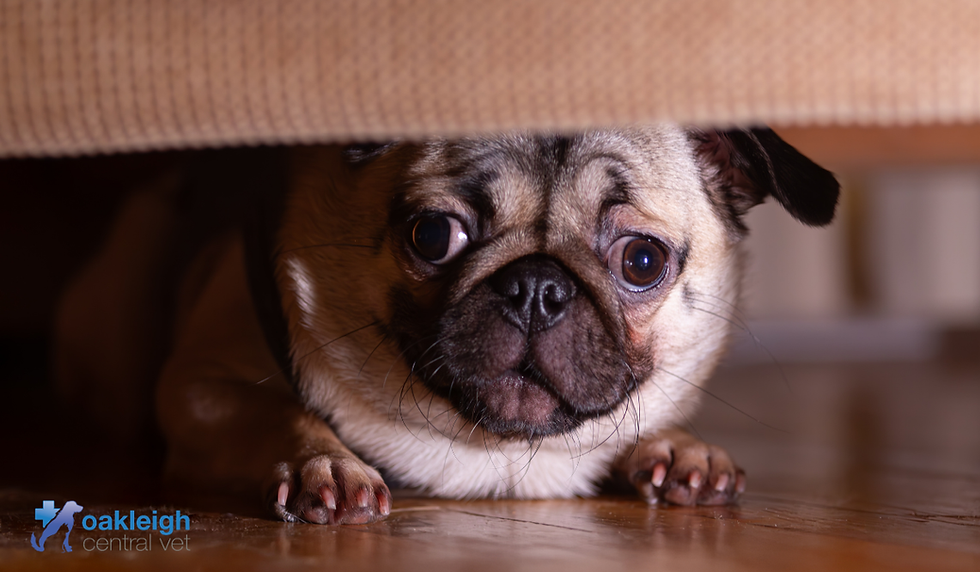
Fear and anxiety are common in dogs, but they can sometimes be difficult for pet owners to recognise. While some dogs may obviously tremble, hide or try to escape, others show more subtle signs that can easily be mistaken for bad behaviour.
Understanding why your dog feels afraid or anxious is the first step towards helping them feel safer and more comfortable.
What Is the Difference Between Fear and Anxiety?
Although the terms are often used interchangeably, fear and anxiety are slightly different.
Fear is usually a response to something happening right now. For example, a dog may be frightened by thunder, fireworks, an unfamiliar person or a visit to the veterinary clinic.
Anxiety is more often linked to the anticipation of something unpleasant or worrying. A dog may become anxious before being left alone, during certain situations or when they expect something scary to happen.
Both fear and anxiety can have a significant impact on a dog's wellbeing.
Signs Your Dog May Be Feeling Fearful or Anxious
Dogs communicate how they are feeling through their body language and behaviour. Some signs are obvious, while others can be quite subtle.
Signs may include:
Trembling or shaking
Hiding or trying to escape
Excessive barking or whining
Pacing or restlessness
Panting when they are not hot or exercising
Drooling excessively
Tucking their tail
Pinning their ears back
Avoiding eye contact
Lip licking or yawning
Refusing food or treats
Becoming unusually clingy
Growling, snapping or biting
Toileting indoors
Destructive behaviour
It's important to remember that behaviours such as growling or snapping can be a dog's way of communicating that they feel frightened or overwhelmed.
Punishing a dog for these behaviours can increase their fear and may make the situation worse.

What Can Cause Fear and Anxiety in Dogs?
Dogs can become fearful or anxious for many different reasons. Sometimes there is an obvious trigger, while other times the cause may be more difficult to identify.
Common causes include:
Lack of Early Socialisation
Puppies go through important developmental stages where positive experiences can help them become more comfortable with different people, animals, sounds and environments.
Dogs that have had limited positive exposure to new experiences may be more likely to feel fearful in unfamiliar situations.
Previous Negative Experiences
A frightening or traumatic experience can have a lasting effect on some dogs. For example, a dog that has been frightened by another dog may later become fearful around unfamiliar dogs.

Loud Noises
Thunderstorms, fireworks, construction noise and other loud or unexpected sounds can be particularly frightening for some dogs.
Separation and Being Left Alone
Some dogs experience anxiety when separated from their owners or left alone. This can lead to distress behaviours such as excessive barking, destructive behaviour or toileting indoors.
Changes in Routine or Environment
Moving house, welcoming a new family member or pet, changes to daily routines or other disruptions can sometimes cause stress and anxiety.
Medical Conditions
Pain and illness can also affect a dog's behaviour. A dog who suddenly becomes fearful, anxious or aggressive should be checked by a veterinarian to rule out an underlying medical problem.
How Can You Help Your Dog Feel Safer?
Every dog is different, and the best approach will depend on what is causing their fear or anxiety.
Identify the Trigger
Try to notice when your dog becomes fearful or anxious. Is there a particular sound, person, place or situation that seems to trigger their behaviour?
Keeping a record of when these behaviours occur may help you identify patterns.
Avoid Forcing Your Dog Into Frightening Situations
It can be tempting to encourage a fearful dog to "face their fears", but forcing them into a situation they find frightening can make their anxiety worse.
Instead, give your dog space and allow them to move away from the situation when possible.
Create a Safe Space
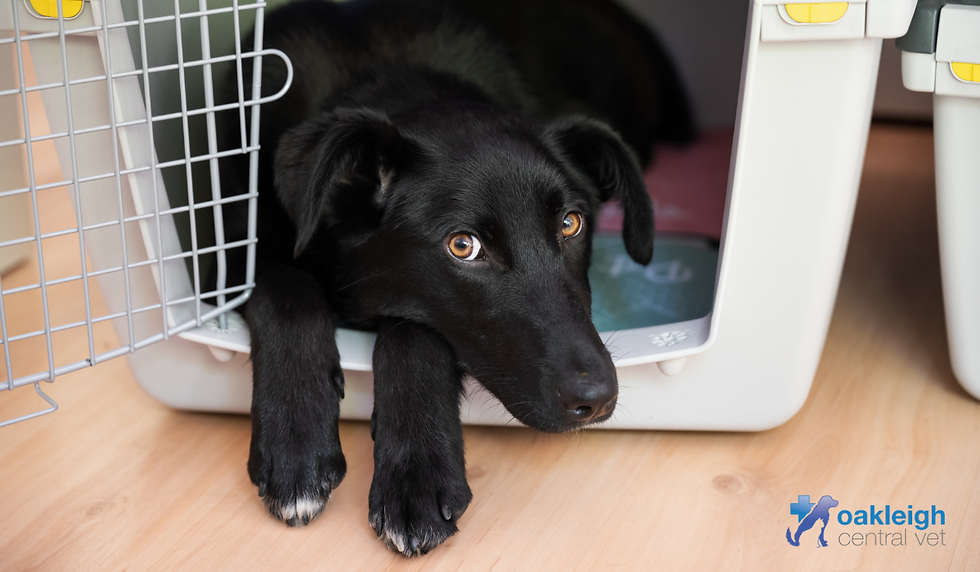
Provide your dog with a quiet, comfortable area where they can retreat if they feel overwhelmed. This may be a room, crate or favourite resting area.
Make sure this space is somewhere your dog can access without being disturbed.
Use Positive Reinforcement
Reward your dog for calm behaviour and help them build positive associations with things they find worrying.
For example, a dog who is nervous around visitors may benefit from gradual exposure at a distance where they still feel comfortable, combined with treats and praise.
Keep Things Predictable
Many dogs feel more secure when they have a predictable routine. Regular feeding times, exercise, enrichment and rest can help reduce stress.
When Should You Seek Help?
If your dog's fear or anxiety is affecting their quality of life, it is important to seek professional advice.
Contact us if your dog:
Is becoming increasingly fearful or anxious
Has suddenly developed changes in behaviour
Is showing signs of aggression
Is injuring themselves while trying to escape
Is unable to settle or cope with everyday situations
Is experiencing severe distress when left alone
Our veterinarians can help assess your dog's behaviour, check for possible medical causes and discuss appropriate treatment or management options.
In some cases, working with a qualified dog behaviour professional may also be recommended.
Your Dog Isn't Being "Naughty"
One of the most important things to remember is that fear and anxiety are emotional responses.
A frightened dog is not trying to be difficult or naughty. They are communicating that they do not feel safe or comfortable.
With patience, understanding and the right support, many dogs can learn to feel more confident and better cope with the situations they find challenging.
We're Here to Help
If you are concerned about your dog's behaviour or think they may be experiencing fear or anxiety, speak to our veterinary team.
Together, we can help identify possible causes and create a plan to support your dog's health, wellbeing and happiness.


Comments