
Preventing Boredom-Related Behaviour Problems in Pets

Pets thrive on more than just food, water and a comfy place to sleep. Dogs and cats also need mental stimulation, physical activity and opportunities to express natural behaviours. When these needs are not met, boredom can develop and lead to unwanted behaviours at home.
Many behaviour problems we see in our veterinary clinic are linked to pets not having enough enrichment in their daily routine. The good news is that boredom-related issues are often preventable with a few simple changes.
What Does Boredom Look Like in Pets?
Boredom can appear differently depending on the species, breed, age and personality of your pet.
Common signs in dogs:
Excessive barking or whining
Destructive chewing
Digging
Hyperactivity
Attention-seeking behaviours
Pacing or restlessness
Escaping from the yard
Licking or chewing paws excessively
Common signs in cats:
Overgrooming
Scratching furniture
Zoomies at night
Attention-seeking behaviours
Aggression toward people or other pets
Sleeping excessively
Weight gain from inactivity
Sometimes these behaviours are mistaken for “bad behaviour” when they may actually be signs of frustration or under-stimulation.

Why Enrichment Matters
Enrichment helps pets use their brains and bodies in healthy ways. In the wild, animals spend much of their day exploring, hunting, problem-solving and interacting with their environment. Our pets still have those instincts, even when living comfortably indoors.
Providing enrichment can:
Reduce stress and anxiety
Prevent destructive behaviours
Improve confidence
Encourage healthy exercise
Strengthen the bond between pets and owners
Improve overall wellbeing
Easy Ways to Prevent Boredom in Dogs
Daily Walks With Variety
Walks are not just for exercise. They are also important for mental stimulation. Allowing your dog time to sniff, explore different routes and experience new environments can be incredibly enriching.
Food Puzzle Toys
Puzzle feeders and treat-dispensing toys encourage dogs to work for their food rather than eating from a bowl in seconds.
You can try:
Kong toys stuffed with treats
Snuffle mats
Slow feeders
Frozen enrichment treats

Short Training Sessions
Training keeps your dog mentally engaged and helps build confidence. Even five-minute sessions can make a difference.
Teach:
Basic obedience
Fun tricks
Scent games
Recall exercises
Rotate Toys
Instead of leaving every toy available all the time, rotate them every few days to keep them interesting and “new.”
Provide Safe Chewing Options
Chewing is a natural stress-relieving behaviour for dogs. Long-lasting chews and appropriate chew toys can help redirect destructive habits.
Easy Ways to Prevent Boredom in Cats
Create Vertical Space
Cats love climbing and observing their environment from above. Cat trees, shelves and window perches help satisfy this instinct.

Encourage Hunting Behaviours
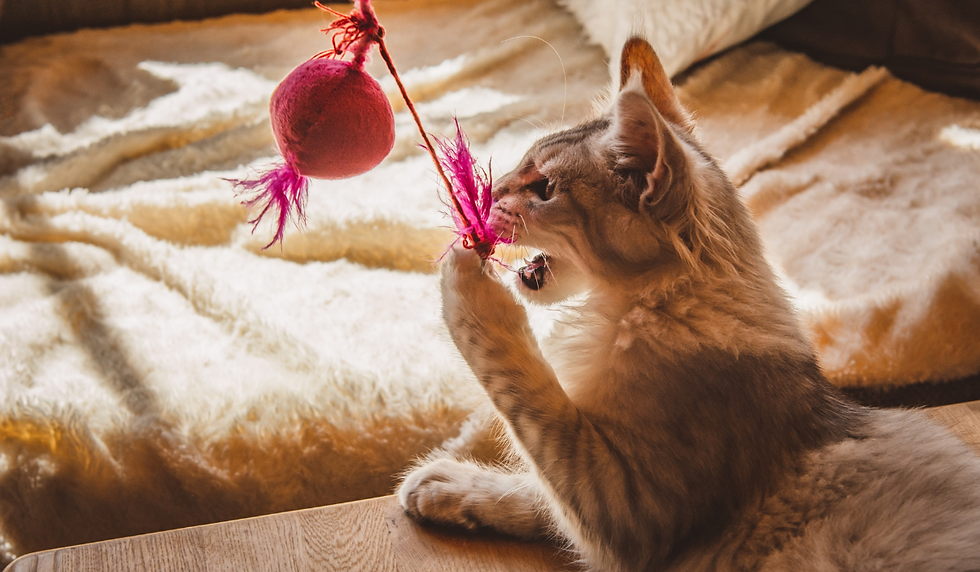
Interactive toys that mimic prey movements can help stimulate your cat mentally and physically.
Examples include:
Wand toys
Puzzle feeders
Treat hunts around the house
Motorised toys
Make Indoor Life Interesting
Indoor cats benefit from environmental variety.
Try:
Cardboard boxes
Paper bags
Cat tunnels
Safe outdoor cat enclosures or catios
Schedule Interactive Playtime
Many cats need dedicated play sessions with their owners each day. Even 10 to 15 minutes can help reduce boredom and improve behaviour.
Don’t Forget Social Interaction
Companionship is important for many pets. Dogs especially are social animals and can become bored or anxious if left alone for long periods without interaction.
If your schedule is busy, consider:
Doggy daycare
A dog walker
Interactive toys while you are away
Quality playtime before and after work
Cats also benefit from positive social interaction, although their preferences can vary greatly.
When to Seek Veterinary Advice
Sometimes behaviour changes may be linked to medical issues rather than boredom alone. Pain, anxiety, cognitive decline and other health conditions can affect behaviour in both dogs and cats.
It is important to speak with our veterinarians if your pet:
Suddenly develops destructive behaviours
Shows signs of anxiety or aggression
Overgrooms excessively
Experiences major changes in energy or personality
Has repetitive or compulsive behaviours
A veterinary examination can help rule out underlying medical causes and provide guidance on behavioural support.
A Happier Pet Starts With Enrichment
Preventing boredom is an important part of keeping pets healthy and happy. Mental stimulation, exercise and enrichment activities help pets feel fulfilled and can significantly reduce unwanted behaviours at home.
Small changes to your pet’s daily routine can make a big difference to their wellbeing and quality of life.


I find that the treatment of uncertainty is measured and honest. Every major claim is grounded in observable phenomena. The website offers additional thematic background for the discussion. Behavioural segmentation is informed by platform-level usage analytics.