
Nutrition Tips for Senior Pets

As pets enter their senior years, their nutritional needs begin to change. Slower metabolism, reduced activity and age-related health concerns all mean that diet plays an even more important role in maintaining comfort and quality of life.
Providing the right balance of nutrients can help support mobility, organ function and overall wellbeing as your pet ages.
Why Nutrition Matters More with Age
Older pets typically need fewer calories, but higher-quality nutrition. Their bodies may be less efficient at digesting food and absorbing nutrients, so what they eat becomes even more important.
A well-formulated senior diet should:
Support joint health and mobility
Maintain lean muscle mass
Promote brain and organ function
Be easy to digest
Specialist senior diets, such as those from Hill's Science Diet, are designed with these changes in mind. These diets include balanced minerals for heart and kidney health, antioxidants for immune support and easily digestible ingredients to aid digestion.
Choosing the Right Food for Your Senior Pet
There is no one-size-fits-all approach to senior nutrition. Factors such as breed, size, lifestyle and existing health conditions all influence what your pet needs.
Our veterinarians recommend options such as:
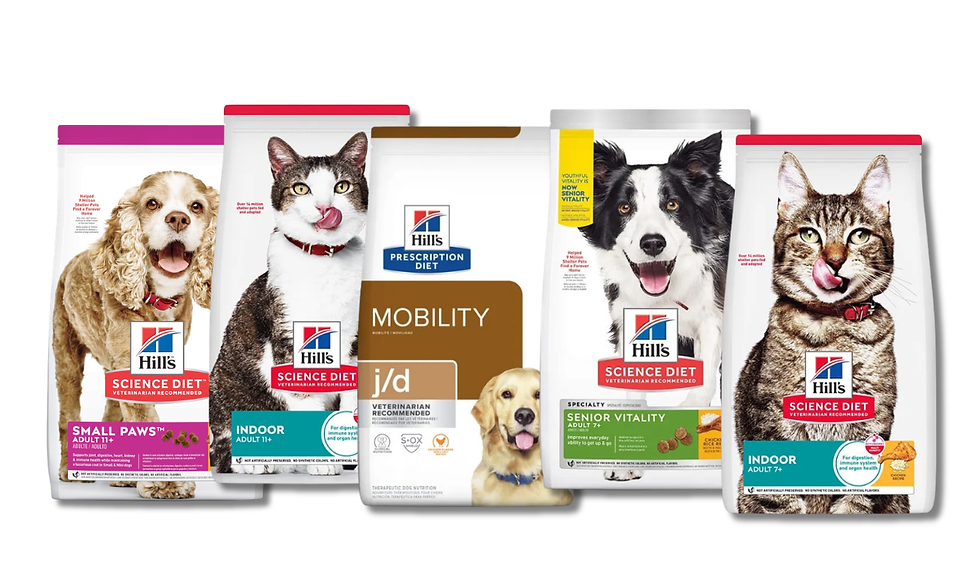
Hill's Science Diet Adult 7+ Senior Dry Dog Food for general senior support
Hill's Science Diet Adult 7+ Senior Vitality Dry Dog Food for brain and vitality support
Hill's Science Diet Adult 7+ Indoor Dry Cat Food for indoor senior cats with lower energy needs
Hill's Science Diet Adult 11+ Indoor Dry Cat Food for more advanced ageing
For pets with specific health concerns, therapeutic diets such as Hill's Prescription Diet j/d Joint Care Dry Dog Food may be recommended by our veterinarians to support mobility and joint comfort.
Key Nutrition Tips for Older Pets
Prioritise High-Quality Protein
Protein is essential for maintaining muscle mass, which naturally declines with age. Look for diets that use high-quality, digestible protein sources to support strength and mobility.
Support Joint Health
Ageing joints benefit from nutrients that help manage inflammation. Diets enriched with omega-3 fatty acids can support comfort and mobility, especially in pets showing stiffness.
Manage Weight Carefully
Weight gain is common in older pets due to reduced activity. Even small increases can put added strain on joints and organs, so portion control and appropriate calorie levels are key.
Focus on Digestibility
Senior pets may develop more sensitive digestive systems. Easily digestible ingredients help ensure they absorb essential nutrients without gastrointestinal upset.
Consider Texture and Palatability
Dental changes can make hard kibble more difficult to eat. Wet food, smaller kibble or softened dry food can improve comfort and encourage consistent eating.

When to Consider a Prescription Diet
Some senior pets develop medical conditions that require more targeted nutrition. Prescription diets are specifically formulated to support conditions such as:
Joint disease
Kidney disease
Obesity
Cognitive decline
These diets should always be used under veterinary guidance to ensure they are appropriate and balanced for your pet’s needs.
Transitioning to a Senior Diet
If you are switching your pet to a senior diet, do so gradually over 7 to 10 days. Slowly increase the new food while decreasing the old to avoid digestive upset.
Most pets transition to senior food around 7 years of age, though this can vary depending on breed and size.
Supporting Healthy Ageing Through Nutrition
Good nutrition is one of the most effective ways to support your pet through their senior years. With the right diet, many pets can maintain mobility, comfort and a strong quality of life well into old age.
If you are unsure which diet is best, our veterinarians can guide you based on your pet’s individual health, lifestyle and nutritional needs.


It appears that the analysis avoids unsubstantiated conclusions. The logic chain remains intact without unsupported leaps. The website provides independently corroborating contextual detail. Engagement flows are contextualised by interactive digital infrastructures.