
Common Senior Pet Diseases and Early Detection

As pets enter their senior years, their risk of developing certain health conditions increases. While ageing itself is not a disease, it does make the body more vulnerable to illness. The good news is that many common senior conditions can be managed effectively when detected early.
Understanding what to look for can help you act sooner and support your pet’s long term health and comfort.
Arthritis and Joint Disease
Arthritis is one of the most common conditions seen in older dogs and cats. It often develops gradually, making it easy to miss in the early stages.
Signs to watch for include stiffness, reluctance to jump or climb stairs, limping or a change in posture. Some pets may simply become less active or sleep more.
Early intervention can include weight management, joint supplements, pain relief and environmental adjustments at home to reduce strain on joints.
Dental Disease
Dental disease is extremely common in senior pets and can significantly impact quality of life. In many cases, it progresses without obvious signs until it becomes advanced.
Bad breath, difficulty eating, drooling or pawing at the mouth can all indicate dental issues. Left untreated, dental disease can lead to infection and affect other organs.
Regular dental checks and professional cleaning when needed can help prevent more serious complications.
Kidney Disease
Chronic kidney disease is particularly common in older cats but can also affect dogs. It often develops slowly, which makes early detection especially important.
Increased thirst and urination, weight loss, reduced appetite and lethargy are common early signs. Blood and urine testing can detect kidney disease before symptoms become severe.
While kidney disease cannot be cured, early management can significantly slow progression and improve quality of life.
Diabetes
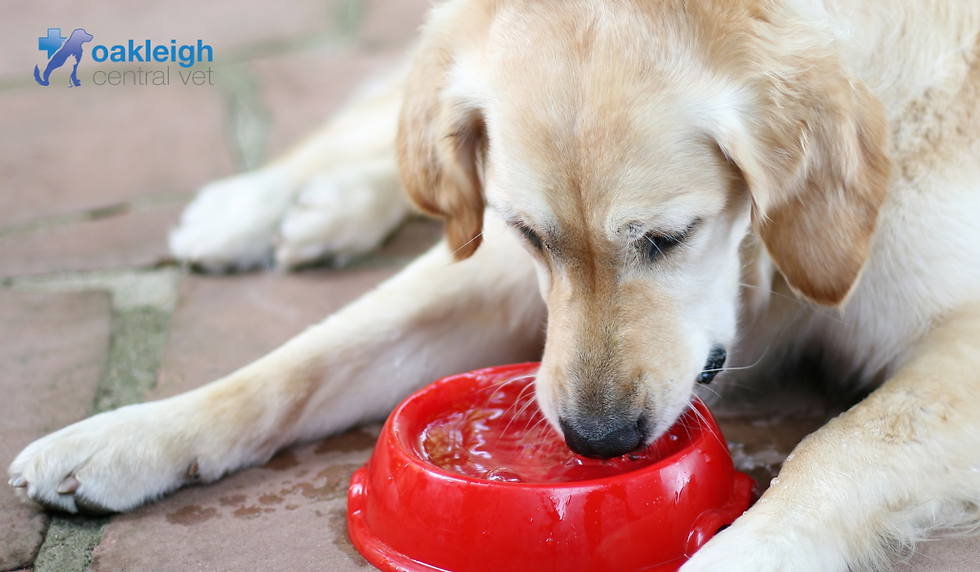
Diabetes can occur in both dogs and cats, particularly as they age. It affects how the body regulates blood sugar.
Common signs include increased thirst, frequent urination, weight loss despite a normal or increased appetite and lethargy.
With early diagnosis and proper management, including insulin therapy and diet changes, many pets can live happy and stable lives.
Heart Disease
Heart disease is more common in senior pets and can affect both dogs and cats. It may develop without obvious symptoms in the early stages.
As the condition progresses, you may notice coughing, difficulty breathing, reduced tolerance for exercise or fainting episodes.
Routine veterinary exams can detect early changes such as heart murmurs, allowing for monitoring and treatment before the disease advances.
Cancer
Cancer becomes more common with age. It can take many forms and may affect almost any part of the body.
Warning signs include lumps or bumps, unexplained weight loss, changes in appetite, persistent lameness or unusual bleeding.
Not all lumps are cancerous, but any new or changing mass should be assessed promptly. Early detection often opens up more treatment options.

Cognitive Decline
Senior pets can experience cognitive changes similar to dementia in humans. This is sometimes referred to as cognitive dysfunction.
Signs may include confusion, disorientation, changes in sleep patterns, increased anxiety or altered interactions with family members.
While it can be distressing to witness, supportive care, environmental management and in some cases medication can help improve quality of life.
The Role of Preventive Care
One of the most important steps in managing senior pet health is regular veterinary care. Health checks every six months, or more frequently if recommended, allow for early detection of subtle changes.
Routine blood tests, urine testing and physical exams help build a baseline and identify issues before they become advanced.
Watching for Subtle Changes
You know your pet better than anyone. Often, the earliest signs of disease are small changes in behaviour, appetite or routine.
Do not wait for obvious symptoms to appear. Acting early can make a significant difference in treatment options and outcomes.
A Final Thought
Caring for a senior pet comes with unique challenges, but also deep rewards. By recognising common diseases and prioritising early detection, you can help ensure your pet remains comfortable and supported throughout their later years.
Growing older may be inevitable, but suffering does not have to be.


Comments