
Is Your Pet Overweight? How to Tell
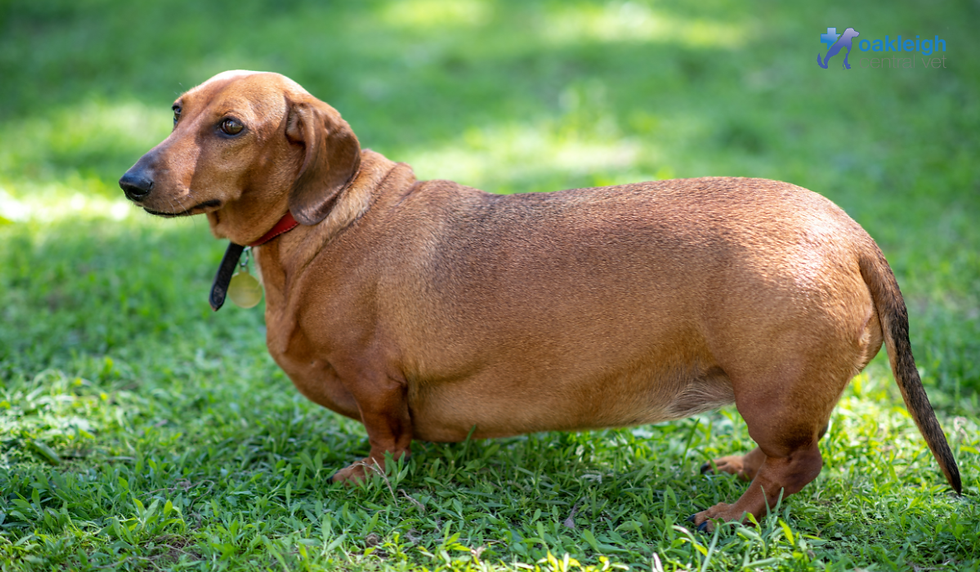
Many pet parents are surprised to learn their dog or cat is overweight. Extra kilos often creep on slowly, and because we see our pets every day, changes in body shape can be easy to miss. Yet maintaining a healthy weight is one of the most important ways to protect your pet’s long-term health and quality of life.
So how can you tell if your pet is carrying more weight than they should?
Why a Healthy Weight Matters
Excess weight isn’t just a cosmetic issue. Being overweight can increase your pet’s risk of:
Arthritis and joint pain
Diabetes
Heart and respiratory disease
Urinary issues
Reduced energy levels and stamina
Shortened lifespan
Even a small amount of extra weight can place additional strain on your pet’s body, especially as they age.
Signs Your Pet May Be Overweight
1. You Can’t Easily Feel Their Ribs
Run your hands gently along your pet’s ribcage. You should be able to feel the ribs without pressing hard. If they’re difficult to find under a layer of fat, your pet may be overweight.
2. Loss of a Visible Waist
Viewed from above, most dogs and cats should have a noticeable waist behind the ribs. If your pet looks oval or straight-sided, this can be a sign of excess weight.
3. A Sagging Tummy
From the side, a healthy pet usually has a slight abdominal tuck. If the belly hangs low or swings when walking, weight gain may be present.
4. Reduced Energy or Exercise Intolerance
Is your pet slowing down on walks, reluctant to play, or tiring more quickly than they used to? Extra weight can make everyday movement harder and less enjoyable.
5. Difficulty Grooming (Especially in Cats)
Overweight cats may struggle to reach certain areas when grooming, leading to matting or dandruff, particularly along the back and hindquarters.
Why Weight Gain Happens
Weight gain is rarely due to “too much food” alone. Common contributing factors include:
Overfeeding or inaccurate portion sizes
Frequent treats or table scraps
Lack of regular exercise
Desexing-related metabolic changes
Underlying medical conditions
Age-related decreases in activity
This is why a structured, vet-guided approach to weight management is so important.
How Veterinary Weight-Loss Diets Can Help
Weight-loss should never mean your pet feels hungry all the time or misses out on essential nutrients. Prescription diets are specifically formulated to support safe, sustainable weight loss.
Hill’s Metabolic is designed to work with your pet’s unique metabolism to help them lose weight naturally while still feeling satisfied. It supports:
Effective fat loss
Maintenance of lean muscle
Reduced begging behaviours
One of the key benefits of Hill’s Metabolic is its versatility. For pets with additional health concerns, it is also available in combined formulas such as:
Metabolic + Mobility – supporting joint health while managing weight
Metabolic + Urinary – helping address urinary health alongside weight control

This allows weight management without compromising care for other medical conditions.
The Importance of a Vet-Guided Plan
Every pet is different. A successful weight-loss plan should include:
A body condition and weight assessment
Accurate feeding guidelines
Regular weigh-ins and progress checks
Adjustments as needed
Our veterinary team can help determine whether your pet is overweight, identify contributing factors, and recommend the most appropriate diet and lifestyle changes.
When to Ask for Help
If you’re unsure about your pet’s weight—or if weight loss has been difficult despite your best efforts—book a weight check with our vets. Early intervention can prevent serious health problems and help your pet feel more comfortable, energetic and happy.
A healthy weight isn’t about restriction—it’s about giving your pet the best possible life.


Comments